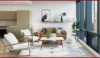


Wall Painting: Choosing Colors, Preparing Walls, Painting Techniques and Maintenance
Wall Painting: Beautiful and Long-Lasting Walls
Wall Painting is one of the best and simplest approaches to convert the advent of a domestic, office, bedroom, dwelling room, kitchen, or different indoors area. A suitable wall color could make a room sense brighter, larger, hotter, calmer, or more current. However, getting a good end result entails extra than simply deciding on a colour and applying paint.
Successful Wall Painting relies upon on numerous factors, which includes the circumstance of the wall, floor training, form of paint, primer, shade choice, software technique, drying conditions, and renovation. Good practice is specially important due to the fact even high priced paint might also produce a poor end when implemented to a dirty, damp, cracked, or poorly prepared floor.
This comprehensive manual explains the important aspects of wall portray, from planning and preparation to painting and upkeep.
What Is Wall Painting?
Wall portray is the procedure of applying a defensive and decorative coating to an interior or outdoors wall. Paint can improve the arrival of a surface at the same time as additionally supporting guard it from everyday wear, stains, moisture, and environmental publicity, depending on the product decided on.
Wall portray can consist of:
- Interior wall portray
- Exterior wall painting
- Bedroom portray
- Living room painting
- Kitchen wall painting
- Bathroom wall portray
- Office wall portray
- Accent wall painting
- Decorative wall painting
- Textured wall painting
- Pattern and stencil painting
The quality technique depends at the kind of room, wall surface, environmental situations, and desired appearance.
Why Is Wall Painting Important?
A fresh coat of paint can dramatically change a space with out requiring most important creation or renovation. It also can help create a constant layout throughout a assets.
Some important benefits include:
- Improved look: Fresh paint could make old walls look cleaner and more recent.
- Color customization: Homeowners can pick hues that suit their fixtures and interior layout.
- Surface protection: Appropriate coatings can offer a shielding layer over properly prepared surfaces.
- Easy renovation: Repainting is typically less disruptive than most important reworking.
- Better visual environment: Different hues can impact how a room appears and feels.
- Maintenance: Washable or scrubbable finishes can make certain partitions easier to clean.
Types of Wall Paint
There are numerous classes of paint and wall finishes. The right choice depends on the surface and region.
| Paint Type | Common Use | Main Characteristics |
|---|---|---|
| Emulsion paint | Interior walls and ceilings | Easy to apply and available in many colors |
| Acrylic paint | Interior and some exterior applications | Water-based options are widely available |
| Enamel paint | Trim, doors and selected surfaces | Harder, more durable finish |
| Matte paint | Bedrooms and living areas | Low sheen and helps reduce visible reflections |
| Satin paint | High-use interior areas | More sheen and generally easier to clean |
| Gloss paint | Trim and decorative details | Highly reflective and durable |
| Textured coating | Feature walls and selected exteriors | Adds visual and physical texture |
| Exterior paint | Outside walls | Formulated for outdoor exposure |
Always follow the producer’s instructions concerning the meant surface, insurance, drying time, and application.
How to Choose the Right Wall Color
Choosing a wall color is regularly the maximum tough a part of a portray undertaking. A coloration that looks appealing in a small pattern may additionally seem absolutely exclusive throughout an entire room.
Consider the following factors.
1. Room Size
Light colors can help a small room seem extra open and ethereal. Darker colours can create a extra dramatic and intimate appearance.
For instance:
- White
- Cream
- Beige
- Light grey
- Soft blue
- Pale inexperienced
can paintings well whilst you need a visually lighter space.
2. Natural Light
The amount and direction of natural mild can affect how a shade appears.
A room receiving robust sunlight hours may make some colorations seem brighter, even as a darker room could make the identical shade appear deeper or duller.
3. Furniture and Flooring
Your wall shade must work with existing furniture, curtains, floors, shelves, and different important factors.
Instead of selecting paint in isolation, do not forget the whole room’s shade scheme.
4. Room Function
Different rooms may additionally advantage from different visual strategies.
| Room | Popular Color Directions | Design Goal |
|---|---|---|
| Living room | Beige, cream, gray, earthy colors | Welcoming |
| Bedroom | Soft blue, green, neutral shades | Relaxing |
| Kitchen | White, cream, light gray | Clean and bright |
| Home office | Neutral, muted blue or green | Focused |
| Children’s room | Soft or playful colors | Cheerful |
| Dining room | Warm neutrals and accent colors | Comfortable |
| Hallway | Light neutrals | Spacious appearance |
These are layout guidelines instead of strict policies. Personal desire should remain an important a part of the decision.
Wall Preparation Before Painting
One of the maximum crucial steps in wall painting is preparation.
Even the pleasant paint cannot make amends for a wall that has dust, grease, loose paint, cracks, dampness, or an choppy floor.
Step 1: Inspect the Wall
Look for:
- Cracks
- Holes
- Peeling paint
- Damp patches
- Mold or mould
- Grease
- Dust
- Loose plaster
- Uneven regions
Any underlying moisture hassle ought to be addressed before portray. Painting over an active dampness hassle may lead to peeling, staining, or other failures.
Step 2: Clean the Surface
Remove dust and dirt earlier than applying primer or paint.
Kitchen walls might also require additional cleansing due to the fact cooking can depart grease and different residues.
Step 3: Repair Cracks and Holes
Small holes and cracks can usually be repaired with a appropriate wall restore or filling product. After the material dries, sand the repaired place as suitable to create a smooth transition.
Larger cracks or habitual cracks can also suggest a extra enormous underlying hassle and can require professional assessment.
Step 4: Sand Where Necessary
Sanding can help smooth hard areas and do away with loose or poorly bonded material. Avoid unnecessarily competitive sanding, specifically whilst handling old painted surfaces.
Step 5: Apply Primer
Primer can help create a suitable base for the finish coat. It can be specially beneficial on new surfaces, repaired areas, porous substrates, or while converting among extensively distinctive colorings.
The accurate primer must be decided on for the specific floor and paint gadget.
Essential Tools for Wall Painting
Having the right system can make the challenge less difficult and enhance the very last end.
Common tools consist of:
- Paint curler
- Paint brush
- Paint tray
- Extension pole
- Putty knife
- Sandpaper
- Wall filler
- Primer
- Painter’s tape
- Drop cloth or defensive protecting
- Ladder or appropriate get right of entry to system
- Cleaning cloths
- Protective gloves
- Safety glasses
- Appropriate respiration protection when wished
For larger projects, expert painters might also use extra system inclusive of spray structures.
Step-through-Step Wall Painting Process
Once the wall is properly prepared, painting can start.
Step 1: Protect the Room
Move furniture faraway from the partitions wherein possible. Cover flooring and remaining fixtures with suitable shielding coverings.
Use painter’s tape around regions that have to remain unpainted, such as positive trim, frames, or fixtures.
Step 2: Stir the Paint
Paint can settle all through garage. Mix it according to the manufacturer’s commands earlier than application.
Avoid including water or different materials until the product commands especially permit it.
Step 3: Paint the Edges
Use a broom to cautiously paint around corners, edges, trim, and other areas that are difficult to cowl with a roller.
This method is often referred to as “cutting in.”
Step 4: Paint With a Roller
Load the curler frivolously without oversaturating it.
Apply paint in managed sections and hold a constant utility pattern. Avoid allowing the edges of partly painted sections to dry absolutely before becoming a member of the subsequent phase when the product/software method calls for keeping a moist side.
Step 5: Apply Additional Coats
One coat might not continually offer the favored coverage or end. Follow the paint producer’s commands concerning recoating.
Allow the first coat to dry as it should be before applying some other.
Step 6: Inspect the Finished Wall
After the very last coat has dried, look at the surface below suitable lighting fixtures.
Look for:
- Missed spots
- Uneven coverage
- Drips
- Roller marks
- Brush marks
- Paint on unwanted surfaces
Correct issues as suitable.
Wall Painting Techniques
Different strategies can produce special visual consequences.
Smooth Roller Finish
This is one of the most not unusual strategies for fashionable indoors walls. It produces a rather uniform appearance while the surface and alertness are properly organized.
Accent Wall
An accent wall makes use of a distinctive color or finish on one wall to create a focal point.
For example, three walls may remain impartial even as one wall uses a deeper or contrasting coloration.
Two-Tone Painting
Two colors may be mixed horizontally or vertically. Painter’s tape can help create a easy dividing line while used successfully.
Stencil Painting
Stencils can be used to create repeating decorative patterns.
Textured Painting
Textured finishes can upload depth and visible interest. They are regularly used for feature partitions and selected decorative programs.
How Much Paint Do You Need?
The amount of paint required depends on numerous elements:
- Wall dimensions
- Number of coats
- Surface porosity
- Paint coverage price
- Application technique
- Existing shade
- Texture of the wall
A simple calculation starts offevolved with:
Wall Area = Wall Length × Wall Height
For more than one walls, calculate every wall and add the areas collectively. Then subtract massive openings such as doorways and windows if appropriate.
The paint manufacturer’s said insurance ought to be used for a more correct estimate because coverage varies by product and floor.
Example
Suppose a wall is 12 toes extensive and 10 feet excessive.
Area = 12 × 10 = 120 rectangular feet
If there are 4 comparable walls:
Total wall region = 120 × 4 = 480 square toes
You would then evaluate this place with the manufacturer’s coverage statistics and account for the wide variety of coats.
Common Wall Painting Mistakes
Avoiding not unusual mistakes can store both time and money.
1. Painting Over Dirty Walls
Dust, grease, and different contaminants can intrude with adhesion and appearance.
Solution: Clean and prepare the wall before portray.
2. Ignoring Dampness
Painting over moisture troubles can bring about peeling and recurring stains.
Solution: Identify and address the moisture supply first.
3. Skipping Surface Repairs
Small holes and cracks can stay seen after portray.
Solution: Repair, smooth, and prime affected areas wherein suitable.
4. Using the Wrong Paint
Interior and outdoors environments have extraordinary requirements.
Solution: Select a product meant for the floor and place.
5. Applying Excessively Thick Coats
Too a great deal paint at once can make a contribution to runs, drips, and choppy drying.
Solution: Apply appropriate coats in line with the producer’s guidelines.
6. Poor Preparation
Many painting troubles sincerely begin before the primary coat is applied.
Solution: Spend ok time getting ready the floor.
Wall Painting Safety
Safety have to be part of every portray mission.
Ensure precise air flow when the use of products that require it, follow the product’s safety instructions, and guard floors and surrounding surfaces.
For sanding or different sports that generate dirt, appropriate defensive measures have to be used.
Important Point About Older Homes
Old paint can gift a special safety problem. In the USA, federal purchaser use of lead-primarily based paint in houses become banned in 1978, and older houses are much more likely to include lead-primarily based paint. Disturbing old lead-based paint thru sanding, scraping, or maintenance can create risky dust.
Therefore, everyone working on an older belongings should determine whether lead-based paint might be present and observe relevant neighborhood necessities and lead-safe practices. The EPA recommends lead-safe certified contractors for applicable preservation, repair, and portray projects in pre-1978 housing inside the United States.
This precise regulatory facts applies to america; different countries have their personal rules and safety requirements.
Wall Painting Maintenance Tips
Painting does not stop whilst the last coat dries. Proper upkeep can assist maintain partitions looking higher for longer.
Regular Cleaning
Dust partitions periodically the use of a suitable soft cloth or cleansing method appropriate for the paint finish.
Clean Marks Carefully
For washable finishes, use the cleansing method recommended through the paint manufacturer. Avoid harsh scrubbing except the coating is mainly designed to face up to it.
Address Peeling Quickly
If paint starts peeling, perceive the reason rather than absolutely painting over it.
Watch for Moisture
Water stains, routine mold, effervescent paint, or peeling may also imply a moisture hassle.
Keep Touch-Up Paint
If feasible, preserve a small amount of leftover paint categorised with the room and colour facts. This can make destiny contact-u.S.A.Simpler.
Wall Painting Ideas for Different Styles
Modern Style
Modern interiors often work properly with:
- White
- Gray
- Beige
- Soft black accents
- Muted earthy colours
Simple colour mixtures can create a smooth appearance.
Minimalist Style
Minimalist spaces frequently use a confined palette. White, off-white, cream, and mild neutral shades can assist a simple design.
Traditional Style
Warm neutrals, creams, muted vegetables, and different conventional shades can supplement conventional furniture and décor.
Bold Style
For a stronger visible impact, take into account a characteristic wall with a deeper or contrasting color.
The purpose is not necessarily to apply many colours but to create a balanced dating among partitions, furnishings, lighting fixtures, and accessories.
Wall Painting vs Wallpaper
Both wall portray and wallpaper can exchange the arrival of a room, but they’ve one-of-a-kind characteristics.
| Feature | Wall Painting | Wallpaper |
|---|---|---|
| Color choices | Very extensive | Depends on available designs |
| Pattern options | Can be created with techniques | Many ready-made patterns |
| Repainting | Generally straightforward | Usually requires removal or replacement |
| Maintenance | Depends on paint finish | Depends on wallpaper material |
| Surface preparation | Important | Very important |
| Design flexibility | High | High |
| Touch-ups | Usually possible | Matching can sometimes be difficult |
Wall painting is specially useful when you want the ability to exchange colorations in the future.
How to Choose Between DIY and Professional Wall Painting
DIY wall painting may be suitable for extraordinarily small and easy initiatives if you have the necessary gear, time, and talents.
Professional portray can be a higher choice whilst:
- The project may be very massive.
- Walls require sizeable repairs.
- Ceilings are difficult to access.
- There are sizable moisture troubles.
- Specialized finishes are required.
- The property includes potentially unsafe antique coatings.
- You want a exceedingly steady professional end.
Before hiring a painter, ask approximately training, wide variety of coats, products being used, cleanup, and what is included within the quoted fee.
Frequently Asked Questions About Wall Painting
How regularly ought to partitions be painted?
There is no everyday time table. Repainting relies upon on paint situation, room utilization, moisture, daylight, cleaning, and private choice. Some rooms may also want interest earlier than others.
Is primer usually important?
Not necessarily. Its usefulness relies upon on the surface, current coating, upkeep, coloration exchange, and paint gadget. Follow the manufacturer’s guidelines.
Can I paint over vintage paint?
Yes, when the prevailing coating is sound, easy, well organized, and well suited with the new coating. Peeling or volatile paint need to now not certainly be protected.
Which color is great for a small room?
Light colours are frequently used to create a brighter and more spacious visual influence, although the high-quality shade ultimately relies upon on lighting, furnishings, and personal preference.
How can I keep away from roller marks?
Use the ideal roller, avoid overloading or underloading it, keep consistent software, and follow the paint manufacturer’s application commands.
Can wall painting disguise cracks?
Paint might also make very minor imperfections less substantial, but it does not resolve structural or recurring cracks. Cracks have to be evaluated and repaired accurately earlier than painting.
Final Thoughts
Wall painting is an vital a part of domestic decoration and protection. A successful challenge requires more than selecting an attractive colour. Proper surface instruction, suitable paint selection, properly software method, ok drying time, and everyday maintenance all contribute to a better result.
Before beginning a project, check out the wall cautiously, restore defects, cope with moisture issues, pick out a paint appropriate for the surface, and calculate your fabric necessities. Testing a small vicinity before portray the entire room can also assist you notice how the selected shade looks underneath the room’s actual lighting fixtures.
Whether you choose a easy neutral end, a bold accessory wall, a two-tone layout, or a decorative technique, cautious making plans can flip ordinary partitions into an appealing a part of your indoors layout. For older residences, always don’t forget the possibility of hazardous legacy coatings and follow relevant protection requirements; specifically, U.S. Steering identifies maintenance paintings that disturbs lead-primarily based paint in pre-1978 housing as a capacity source of risky lead dirt.